August 13, 2026
Taking proper care of your home means keeping a close eye on the overhead structure that protects everything inside from rain, wind, hail, and harsh seasonal weather. While routine exterior maintenance often focuses on lawn care, deck staining, or fresh paint, roofing systems require equal attention to ensure long-term stability and comprehensive weather protection. Over time, constant exposure to direct sunlight, freezing temperatures, and heavy storms can cause unseen wear that quietly compromises structural integrity. Identifying early warning indicators allows property owners to plan ahead financially and avoid emergency situations that could lead to widespread interior water damage. Knowing what to watch for helps you make informed decisions about when a complete overhead replacement is necessary to safeguard your investment.
1. Understanding the Age and Expected Lifespan of Modern Materials
Every overhead protective layer has a natural shelf life that depends heavily on local climate conditions, installation quality, and the structural grade of materials used. According to Roofer’s Guild, a typical roof lasts between 25 and 50 years. Knowing when the existing structure was installed provides an accurate baseline for anticipating major home maintenance needs. As aging materials reach the end of their operational lifespan, they naturally lose flexibility, durability, and essential waterproofing capabilities. Engaging professional roofers for a detailed assessment as your structure nears two decades of age ensures you stay well ahead of potential failures before minor wear turns into major structural issues.
2. Addressing Missing or Severely Damaged Shingle Layouts
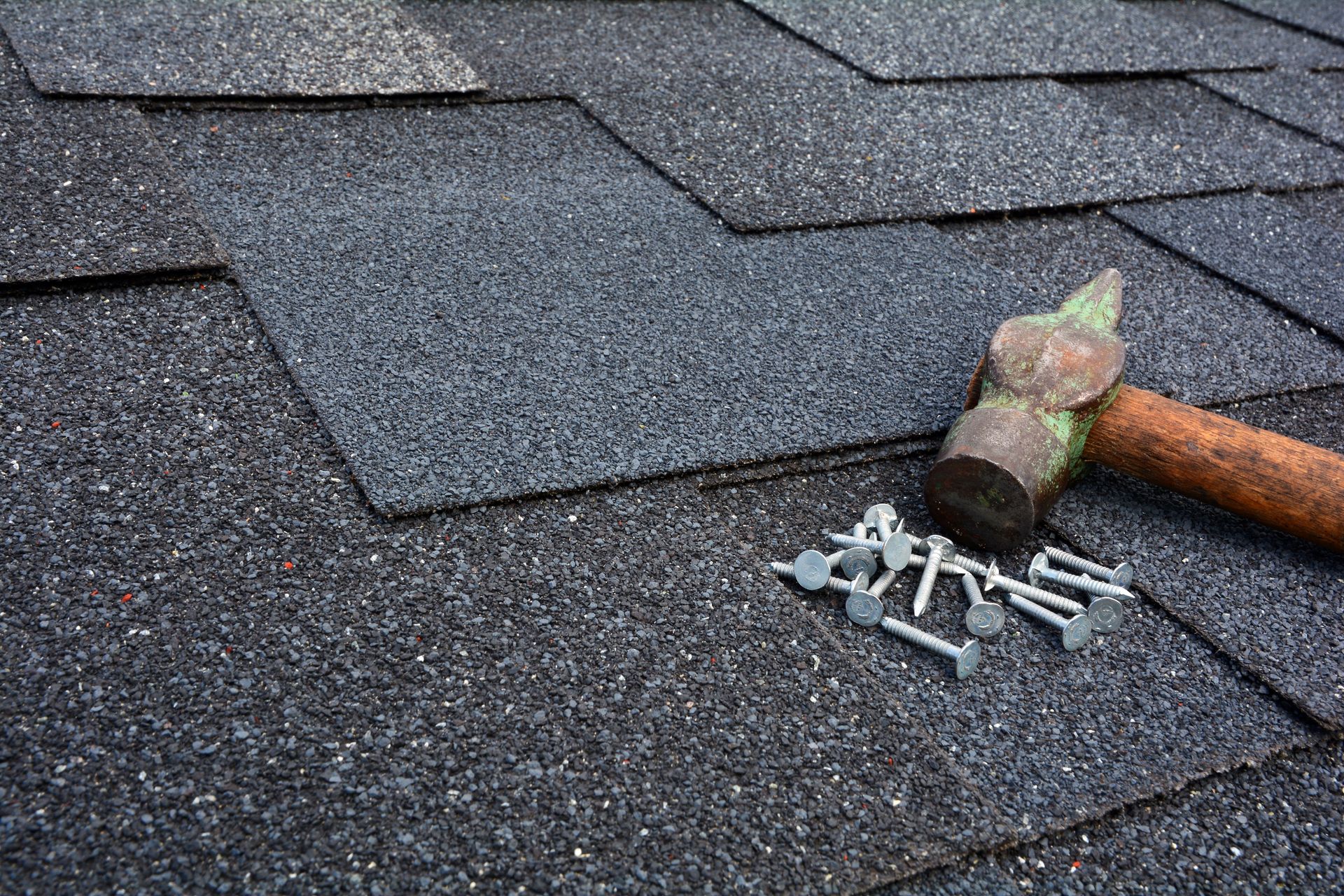
A complete protective surface depends on every single shingle staying firmly anchored in place to block incoming moisture and wind. When high winds, heavy downpours, or falling tree branches detach individual pieces, the exposed underlayment becomes extremely vulnerable to water infiltration and rapid wood rot. Gaps in your shingle layout create direct pathways for driving rain to seep into your home's framing, ceiling drywall, and attic space. Experienced roofers can thoroughly evaluate widespread shingle loss across different sections to determine if simple repairs will suffice or if a full system overhaul is required to maintain long-term safety.
3. Recognizing the Danger of Curling and Buckling Edges
Shingles should always lay completely flat against the deck to form a tight, weatherproof barrier against heavy wind-driven rain. Over time, intense summer heat, poor attic ventilation, and natural aging can cause shingle edges to curl upward or warp into unstable buckled shapes. Curled edges leave your home vulnerable because strong wind gusts can easily catch underneath and rip away large sections of material during storms. Consulting local roofers allows you to address widespread buckling across your home's exterior before sudden weather shifts cause widespread leakage and expensive ceiling repairs during heavy downpours.
4. Managing Heavy Granule Loss and Clogged Gutter Systems
Asphalt shingles feature a dense layer of composite mineral granules designed to shield underlying materials from harmful ultraviolet rays and impact damage. As shingles age and deteriorate, these protective granules loosen, washing away during rainstorms and collecting in your gutter channels or downspouts. Seeing large accumulations of gritty black sand in your gutters is a clear indicator that your surface protection is thinning out quickly. Reliable roofers can examine granule density across all slopes to check if your shingles still offer sufficient resistance against UV breakdown and severe weather impacts.
5. Identifying Structural Sagging Along the Roofline
A straight, rigid roofline indicates that your home's structural framing and wooden decking are healthy and supporting weight evenly. If you notice dips, sweeping curves, or visible sagging along the ridge or main slopes, immediate attention is required to prevent severe structural failure. Sagging usually points to long-term moisture retention, trapped humidity in the attic, or damaged support trusses beneath the shingles. Having certified roofers evaluate a sagging structure right away ensures that underlying frame issues are safely diagnosed before heavy winter snow or rainwater creates catastrophic collapse hazards.
6. Spotting Dark Stains and Excessive Organic Moss Growth
Dark streaks running down your shingles or heavy green moss clusters clinging to shaded sections are far more than just cosmetic issues. Moss acts like a dense sponge, trapping moisture directly against shingle surfaces and forcing water underneath the overlap seams during freeze and thaw cycles. Over time, trapped moisture rots the wooden decking underneath and breaks down protective asphalt layers. Professional roofers can check if thick moss growth has permanently damaged underlying wooden boards or if the surface can be salvaged with proper care and attention.
7. Monitoring Interior Attic Leaks and Water Damage
Your attic space often reveals early warning signs of exterior failure long before water damage appears on living room ceilings or bedroom walls. Inspecting attic insulation, wooden rafters, and ceiling drywall for damp spots, dark rings, or active dripping after heavy rain helps spot hidden breaches. Persistent moisture in enclosed upper spaces quickly leads to hazardous mold growth, rotted wood supports, and damaged insulation layers. Bringing in skilled roofers to trace attic moisture back to its entry point helps confirm whether localized flashing repairs or a complete surface update is needed.
8. Inspecting Damaged Flashing Around Chimneys and Vents
Flashing materials consist of thin metal strips installed around chimneys, skylights, vent pipes, and wall intersections to divert flowing water away from delicate seams. Over time, temperature changes cause metal flashing to expand, contract, loosen, or corrode, leaving wide gaps along critical roof joints. When flashing sealant cracks or metal panels pull away from brickwork, water easily slides beneath shingles and into interior wall cavities. Having knowledgeable roofers inspect all flashing seams ensures that critical architectural joints remain fully sealed against driving wind and rain year after year.
9. Evaluating Energy Cost Spikes Caused by Poor Insulation
An unexpected jump in monthly heating or cooling expenses can often be traced directly to improper ventilation or compromised insulation under your roof decking. When overhead layers deteriorate or lose structural integrity, warm indoor air escapes during winter months while oppressive heat penetrates your living space during summer. Proper ventilation systems allow air to flow smoothly through attic spaces, regulating indoor temperatures and preventing moisture buildup. Qualified roofers can analyze air intake systems and insulation levels to help restore thermal efficiency across your whole property.
10. Recognizing Sunlight Infiltration Through Attic Decking
Stepping into your dark attic during daylight hours provides a simple way to spot structural openings and gaps in your overhead shield. If you see bright shafts of sunlight piercing through wooden roof boards, air and moisture are undoubtedly entering those same spaces. Gaps wide enough to admit light allow wind-driven rain, snow, and winter cold snaps to compromise your interior insulation layer. Consulting trained roofers ensures that gaping decking boards, missing underlayment, and loose shingles are addressed comprehensively through an updated installation project.
Monitoring the condition of your home's overhead structure is an essential part of responsible homeownership that protects your family, structural property, and financial investment. From missing shingles and granule loss to attic leaks and sagging structural lines, paying attention to these ten warning signs helps you take action before emergency damage occurs. Choosing high-grade materials and working with experienced professionals guarantees long-lasting protection against severe weather events. If you suspect your overhead protective layer is reaching the end of its useful life, contact Superstorm Roofing & Siding today to schedule a comprehensive property evaluation and request a detailed estimate for your upcoming project.